Creating a cozy and functional home workspace is essential for anyone looking to blend comfort with productivity. Whether you’re working remotely, studying, or managing household tasks, having a dedicated area that inspires focus while providing comfort can make a huge difference in your daily routine. Here are some helpful tips to design a home workspace that feels inviting and boosts your efficiency.
Choose the Right Location
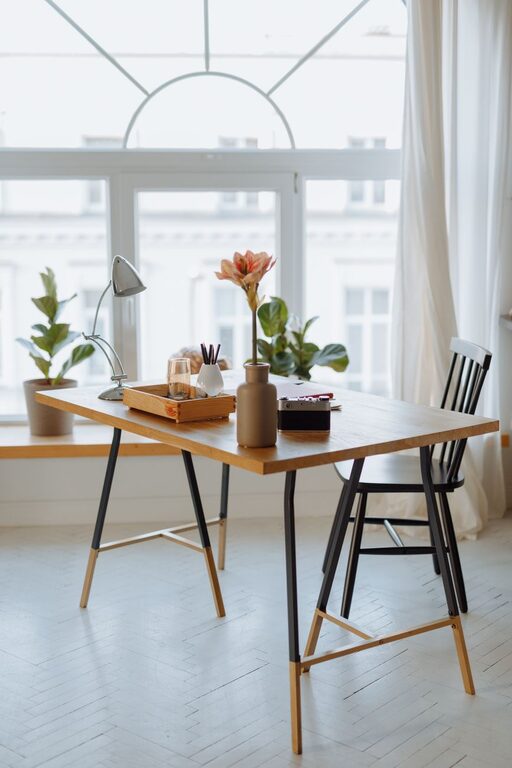
Selecting the perfect spot for your workspace is the first step. Ideally, choose a quiet area away from high traffic in your home to minimize distractions. If space is limited, consider multi-purpose options like a nook in your living room or a corner of your bedroom. Good natural light is a bonus — sitting near a window can improve mood and reduce eye strain.
Invest in Comfortable Seating
Since you might spend hours sitting, comfortable and supportive seating is crucial. Look for an ergonomic chair that supports your back and encourages healthy posture. Adjustable chairs allow you to customize height and tilt, which can prevent strain during long work sessions.
Prioritize Functional Furniture
Choose furniture that fits your needs and space. A desk with enough surface area to hold your computer, notebooks, and other essentials helps keep your workspace organized. If space is tight, wall-mounted desks or foldable tables can provide flexibility without cluttering your room.
Optimize Lighting
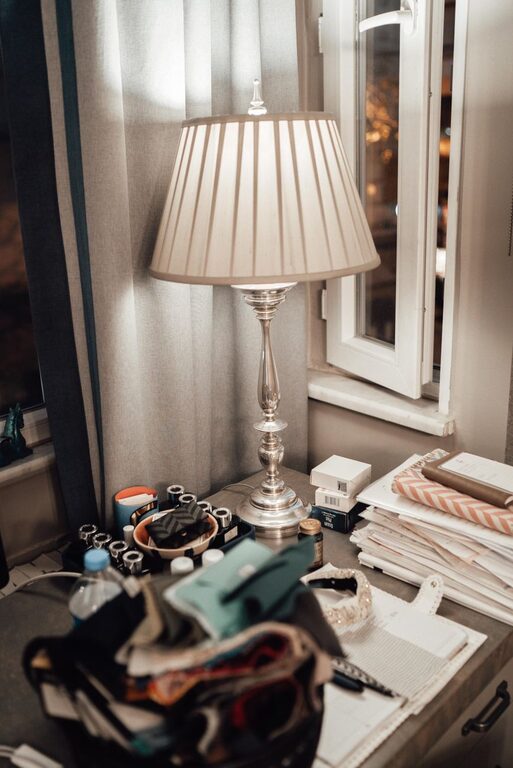
Proper lighting reduces eye fatigue and creates a pleasant atmosphere. Combine natural light with additional sources like task lamps or desk lights. Adjustable light options enable you to tailor brightness depending on the time of day and the type of work you do.
Keep It Organized
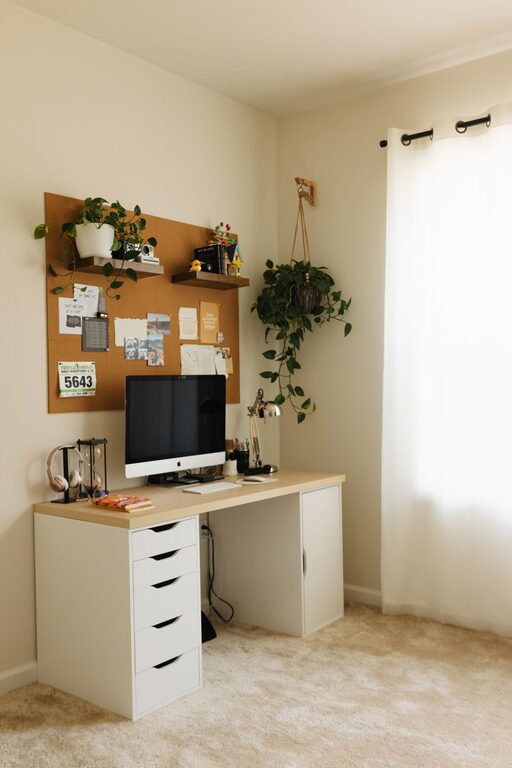
A clutter-free workspace enhances focus. Use storage solutions like shelves, drawers, or containers to keep supplies tidy. Cable organizers can help manage wires and prevent messy tangles. Make it a habit to tidy your desk daily so that your space remains inviting.
Add Personal Touches
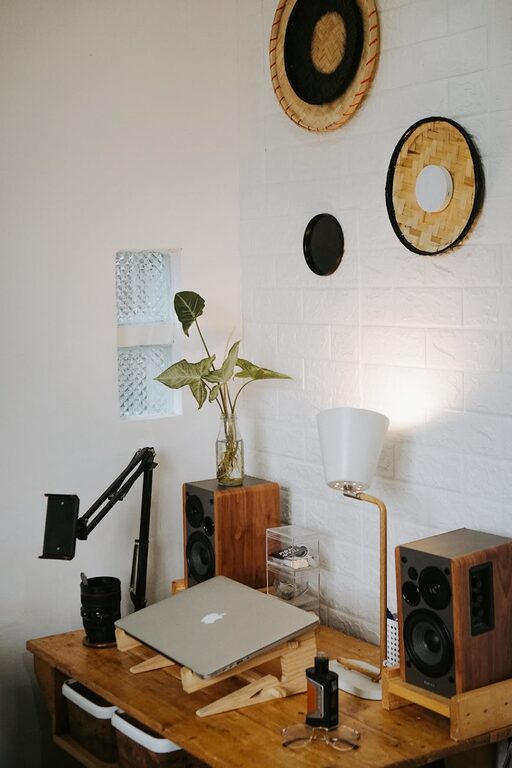
Incorporate elements that make the space uniquely yours. Plants, artwork, or photos can create a more welcoming environment. Choose decor that motivates or soothes you, but avoid overcrowding to maintain a balanced feel.
Manage Noise Wisely
If you’re in a noisy environment, consider noise-canceling headphones or white noise machines. Soft furnishings like rugs and curtains can also help absorb sound, making your space quieter and more comfortable.
Maintain Good Air Quality
Good ventilation helps you stay alert and comfortable. If possible, open windows regularly or use an air purifier. Adding a few indoor plants can also improve air quality and add to the coziness of your workspace.
Establish Boundaries
Creating a mental and physical boundary between work and relaxation areas is important, especially if you work in a shared room. Use room dividers, rugs, or different lighting to separate your workspace from rest areas. This helps signal your brain when it’s time to work and when to unwind.
Personalize Your Routine
Design your workspace and workflow to match your habits. For example, if you enjoy taking quick breaks, keep a comfortable chair nearby or a spot for a cup of tea. Having a small whiteboard or planner visible can help you track tasks and stay motivated.
—
By following these tips, you can create a home workspace that is both cozy and functional. A thoughtfully designed space not only improves your productivity but also makes working from home a more enjoyable experience. Remember, your workspace should reflect your preferences and support your best work habits.
About the Author