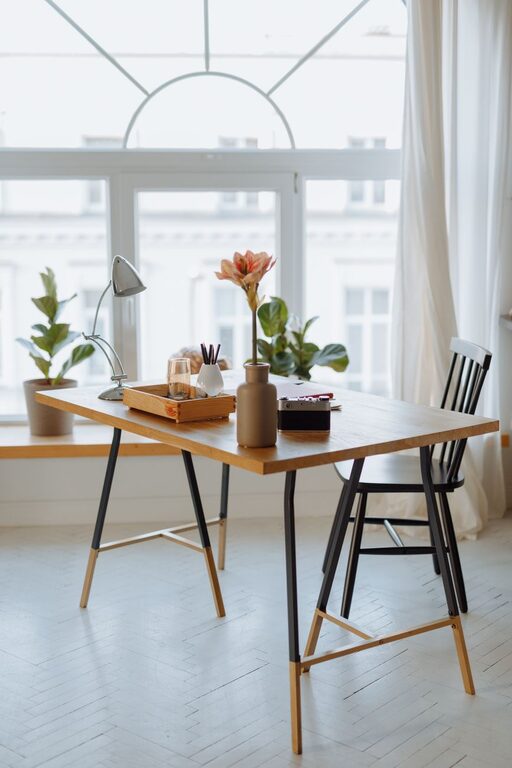
Creating a home office that balances comfort and functionality can greatly improve your productivity and overall well-being. Whether you’re working remotely full-time or need a dedicated space for occasional tasks, designing a cozy and efficient workspace is key. In this post, we’ll explore practical tips to help you build a home office that feels inviting while supporting your work needs.
Why a Cozy and Functional Home Office Matters
Working from home offers flexibility but also challenges like distractions and discomfort. A well-designed home office promotes focus, reduces stress, and makes it easier to separate work from leisure. When your workspace is comfortable, you’re more likely to enjoy your tasks and maintain a healthy work routine.
Choosing the Right Location
Consider Natural Light
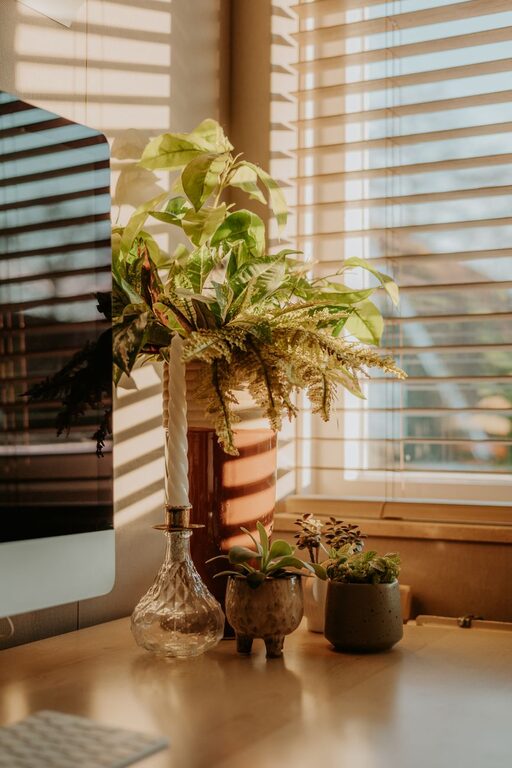
Whenever possible, place your desk near a window. Natural light enhances mood and reduces eye strain. If natural sunlight isn’t an option, invest in good-quality artificial lighting that mimics daylight.
Quiet and Private Area
Select a space away from high-traffic areas or noisy environments. A quiet corner or room helps minimize interruptions, allowing for better concentration.
Furniture Essentials for Comfort and Functionality
Ergonomic Chair
An adjustable chair that supports your back is essential for long hours of work. Proper seating prevents posture problems and discomfort.
Sturdy Desk with Adequate Space
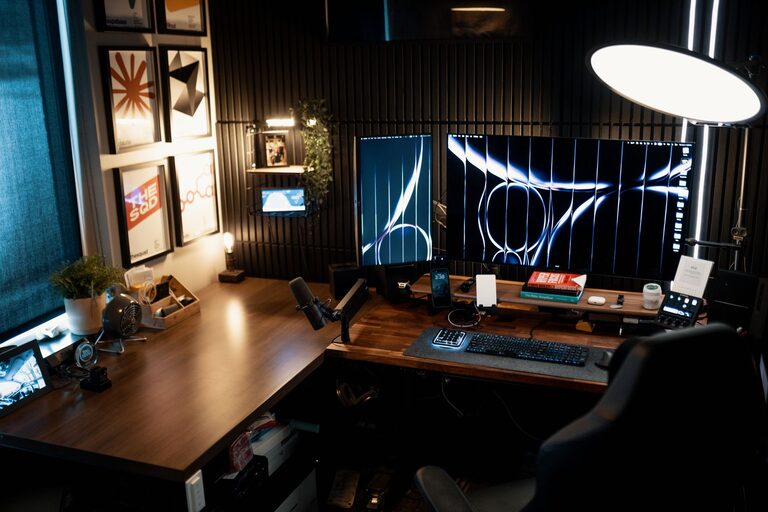
Choose a desk that fits your equipment without feeling cramped. Having enough surface area means everything you need – computer, notebook, accessories – is within easy reach.
Storage Solutions
Keep your workspace tidy with functional storage like shelves, drawers, or filing cabinets. Organized storage reduces clutter and streamlines your workflow.
Personalizing Your Space for Coziness
Soft Textiles
Add warmth and comfort with a cushioned chair pad, a soft rug underfoot, or cozy curtains. Textiles soften the look of the room and create an inviting atmosphere.
Plants and Greenery
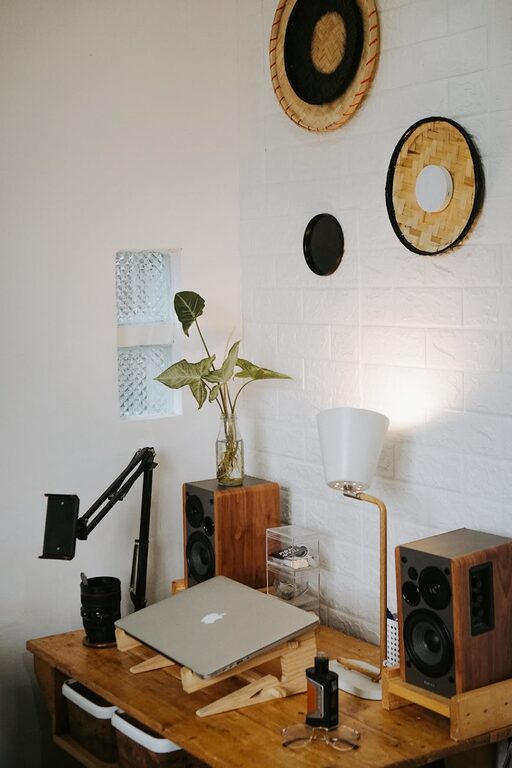
Indoor plants not only beautify your space but also improve air quality and reduce stress. Choose low-maintenance plants like succulents or pothos if you’re new to plant care.
Artwork and Decor
Surround yourself with inspiring art or meaningful objects to create a space that encourages creativity. Keep decor balanced to avoid distraction.
Organizing for Efficiency
Cable Management
Use cable organizers, clips, or sleeves to keep cords neat and prevent tangling. A clutter-free desk supports better focus and ease of cleaning.
Desk Accessories
Incorporate basics like pen holders, trays, or a desk organizer. These keep small items contained and your workspace orderly.
Digital Organization
Keep your digital files and desktop tidy as well. Using folders, labels, and backups ensures you can find what you need quickly.
Lighting Tips for Every Time of Day
Layered Lighting
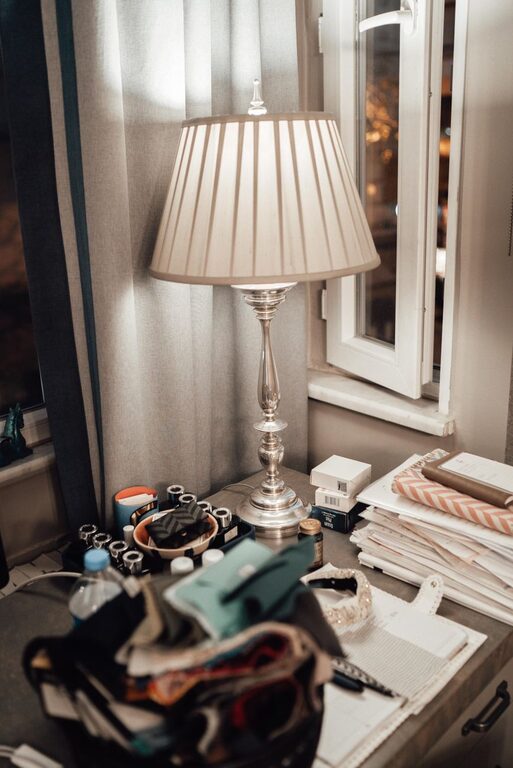
Combine ambient lighting (ceiling fixtures), task lighting (desk lamps), and accent lighting (decorative lights) to create flexibility. You’ll avoid glare and eye fatigue by adjusting light sources based on the task.
Adjustable Lamps
Consider lamps with adjustable brightness or color temperature. Cooler light enhances alertness during work, while warmer light can help you wind down in the evening.
Maintaining Work-Life Balance
Define Your Workspace Boundaries
Set clear boundaries by dedicating a specific area to work only. Avoid working in places associated with relaxation, like your bed or the couch.
End-of-Day Ritual
Create a simple habit that signals the end of your workday, such as shutting your laptop, turning off desk lights, or tidying your desk. This helps you transition smoothly from work mode to personal time.
Final Thoughts
Designing a cozy and functional home office is about blending comfort with practicality. Small details like good lighting, ergonomic furniture, and thoughtful organization can transform your workspace into a place where you enjoy spending time and work efficiently. With these tips, you’re well on your way to creating a home office that truly supports your best work.
—
Remember, your home office should reflect your personal style and support your unique working habits. Experiment with different layouts and elements until you find the perfect balance between coziness and function. Happy decorating!
About the Author