Creating a cozy and inviting home office space is more important than ever as working from home becomes a common routine. Your workspace can significantly impact your mood, focus, and productivity. Fortunately, with a few thoughtful adjustments, you can design a home office that feels comfortable, functional, and inspiring. In this post, we’ll explore practical tips to help you create a home office space that invites you to work with ease and enjoyment.
Why a Cozy Home Office Matters
A cozy and inviting home office encourages you to spend time working without feeling stressed or uncomfortable. When your workspace feels pleasant, you’re more likely to be productive and less likely to experience burnout. Home offices that balance comfort, organization, and personal style support both your mental well-being and work efficiency.
1. Choose the Right Location
Selecting the perfect spot for your home office is the first step toward a cozy workspace.
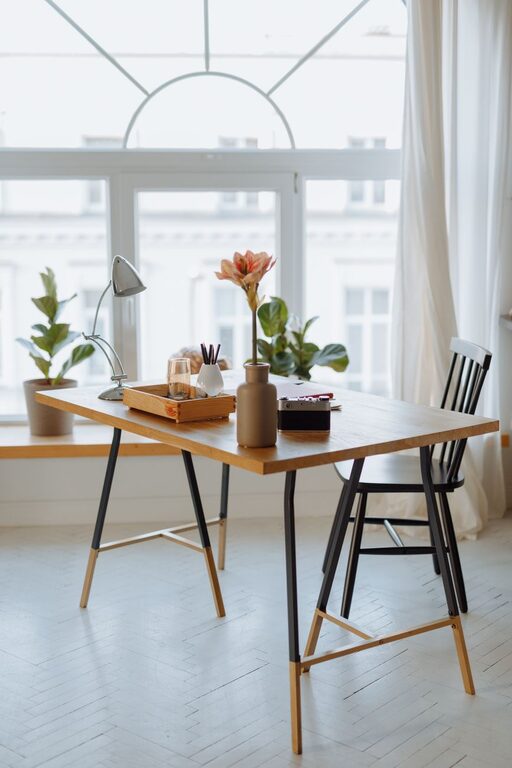
– Natural Light: Aim for a location near a window to make use of natural light, which boosts mood and reduces eye strain.
– Quietness: Find a low-traffic area where interruptions will be minimal.
– Space: Make sure there is enough room for your desk, chair, and any equipment or storage you need.
If natural light is limited, consider soft, warm artificial lighting to maintain a welcoming atmosphere.
2. Invest in Comfortable Furniture
Comfort is key in creating a cozy office.
– Ergonomic Chair: Choose a chair that supports good posture to prevent back pain during long work sessions.
– Adjustable Desk: A desk with adjustable height can help you alternate between sitting and standing.
– Soft Textiles: Add cushions or a plush throw to your chair for extra comfort and warmth.
Comfortable furniture encourages better focus and reduces physical strain.
3. Personalize Your Space
Adding personal touches can make your home office feel inviting and motivating.
– Decorative Items: Display artwork, plants, or meaningful objects that inspire you.
– Color Scheme: Choose colors that make you feel calm and happy, such as soft blues, greens, or warm neutrals.
– Inspiring Quotes: Place framed motivational quotes or affirmations where you can see them.
Personal elements help create a space that feels uniquely yours.
4. Organize for Efficiency and Clarity
A clutter-free space contributes to a clear mind.
– Storage Solutions: Use shelves, drawers, or baskets to keep supplies organized.
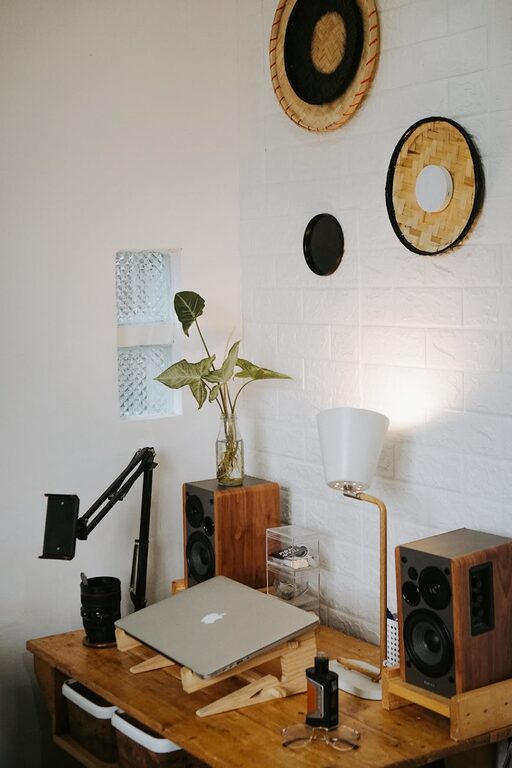
– Cable Management: Use clips or sleeves to keep cords neat and out of the way.
– Minimal Desk Items: Keep only what you use daily on your desk to avoid distractions.
Regularly decluttering your office can help maintain a peaceful environment.
5. Optimize Lighting
Good lighting enhances focus and reduces eye fatigue.
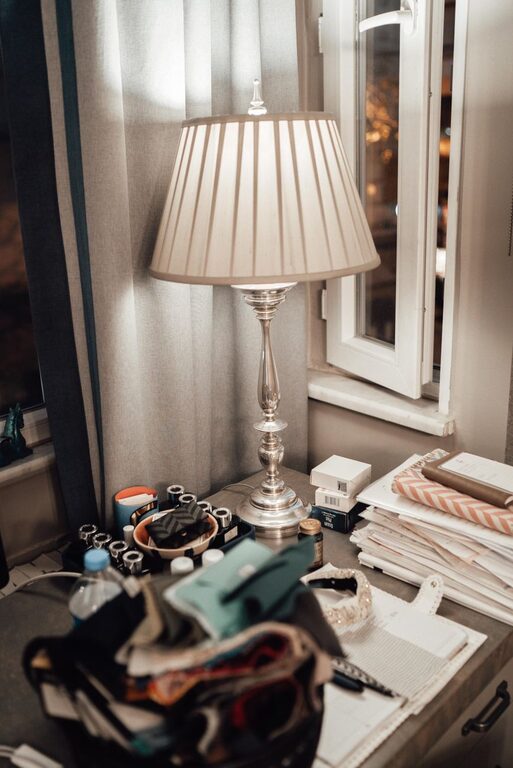
– Layered Lighting: Combine overhead lights with desk lamps or floor lamps to create flexible lighting options.
– Warm Bulbs: Use bulbs with a warm color temperature to create a cozy ambiance.
– Adjustable Lamps: Lamps that can be angled or dimmed offer better control over your lighting needs.
Adjust your lighting based on the task and time of day.
6. Incorporate Natural Elements
Bringing nature indoors can make your space feel calming and fresh.
– Houseplants: Even a small plant can improve air quality and add a touch of green.
– Natural Materials: Use wood, stone, or woven textures in furniture or accessories.
– Nature Sounds: Consider a sound machine or app that plays gentle nature sounds to boost relaxation.
Natural elements can reduce stress and enhance creativity.
7. Manage Noise and Distractions
Creating a quiet and focused environment is vital for productivity.
– Noise-Canceling Headphones: Useful if you live in a noisy space.
– Soft Furnishings: Carpets, curtains, and cushions help absorb sound.
– Defined Boundaries: If you share your home, explain your office hours to family or roommates to minimize interruptions.
A calm and quiet office helps you concentrate better on your tasks.
8. Keep It Flexible
A home office should adapt to your changing needs.
– Mobile Storage: Use rolling carts or portable organizers for easy rearrangement.
– Multi-Use Furniture: Consider foldable desks or wall-mounted storage to save space.
– Adjustable Layout: Don’t hesitate to rearrange your office periodically to boost energy and creativity.
Flexibility allows your workspace to evolve with your work habits.
Final Thoughts
Creating a cozy and inviting home office is about combining comfort, functionality, and personal style. By choosing the right location, investing in ergonomic furniture, organizing effectively, and adding natural and personal touches, you can build a workspace that supports your productivity and well-being. Remember, a welcoming home office is a place where you feel motivated and comfortable—ready to tackle your daily tasks with ease.
Take your time to experiment with these tips and enjoy the process of making your home office a space you look forward to using every day.
About the Author